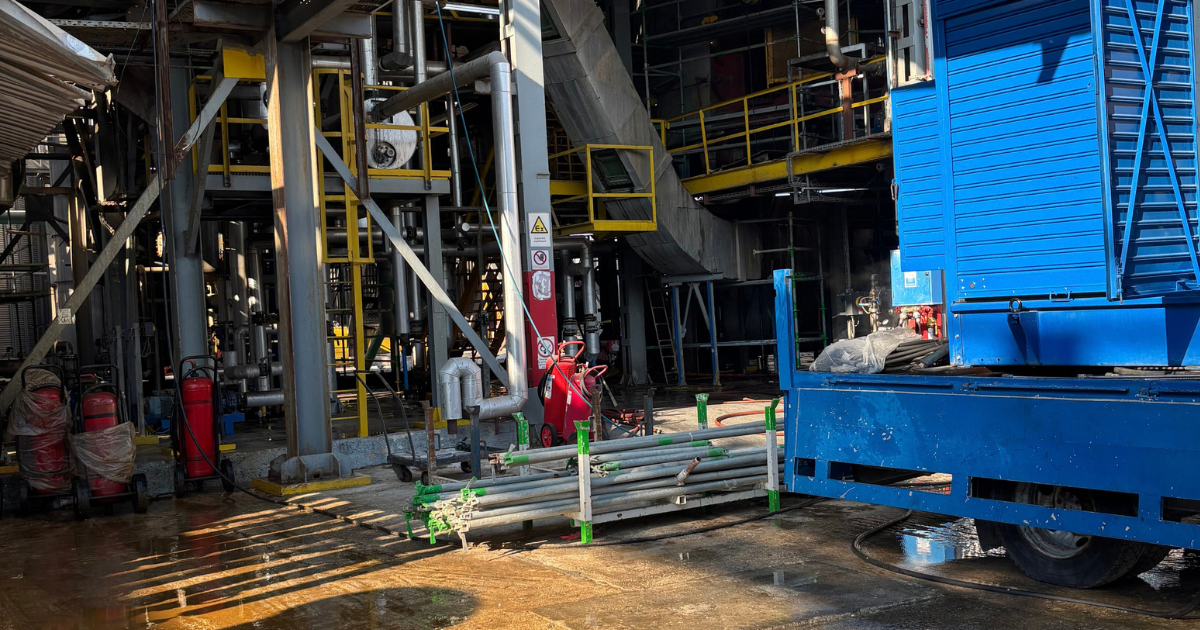
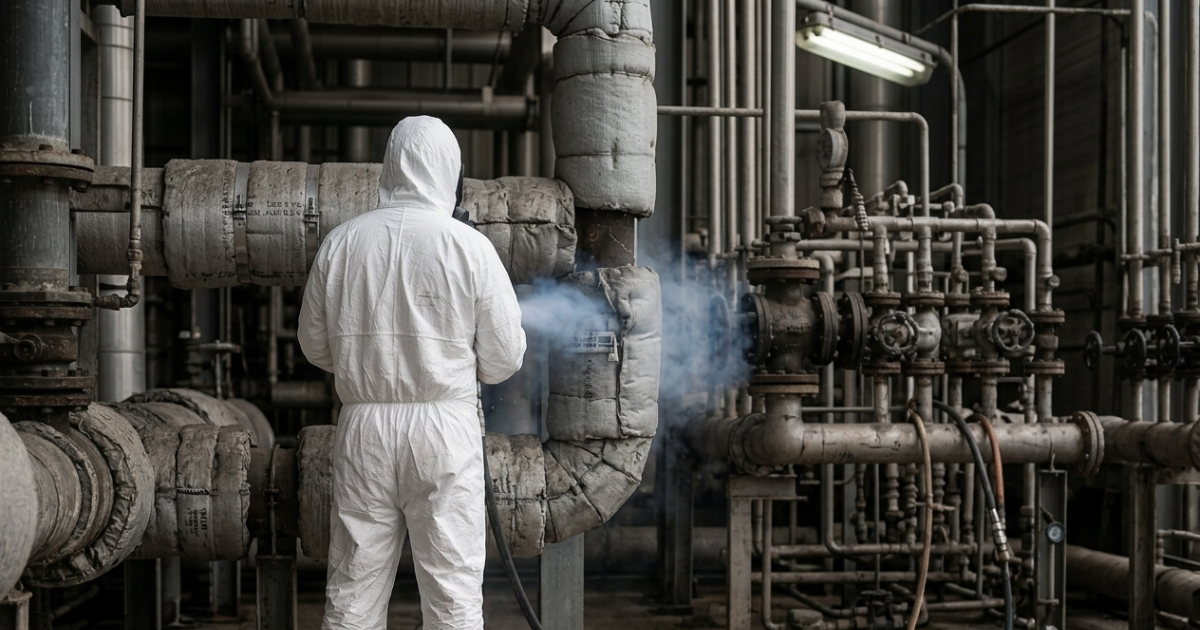
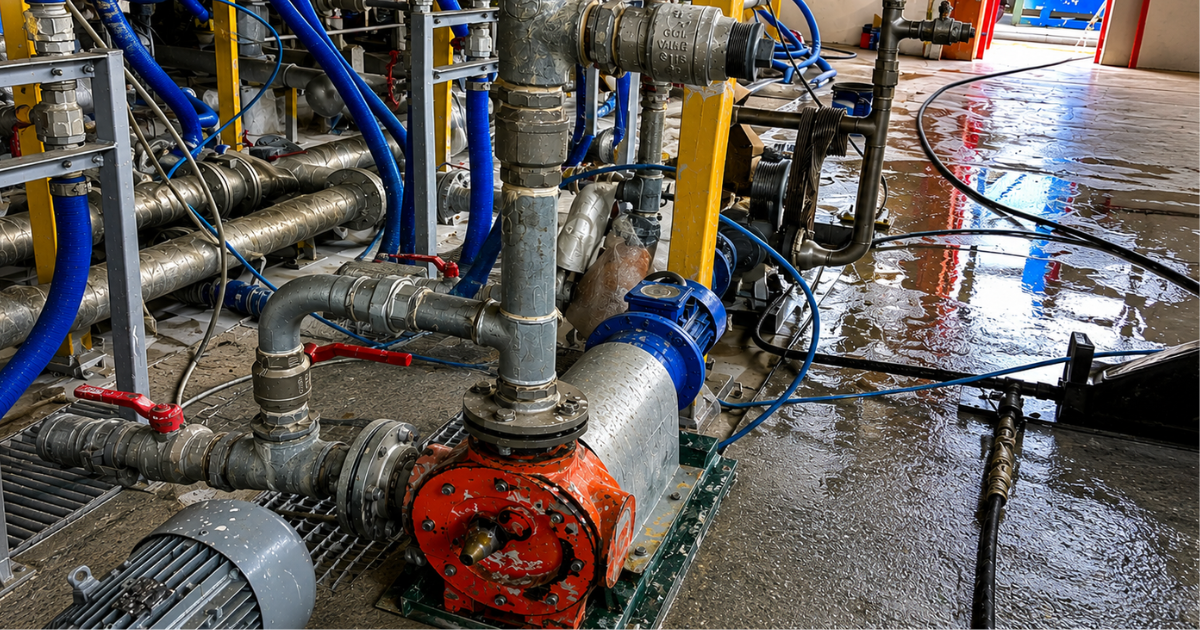
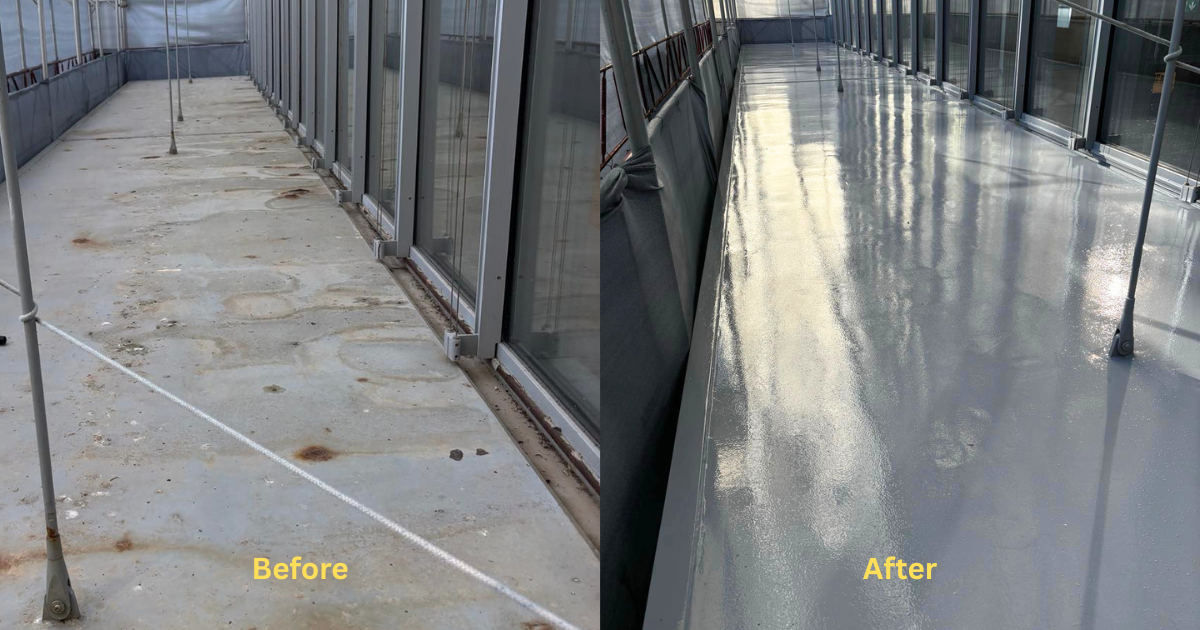
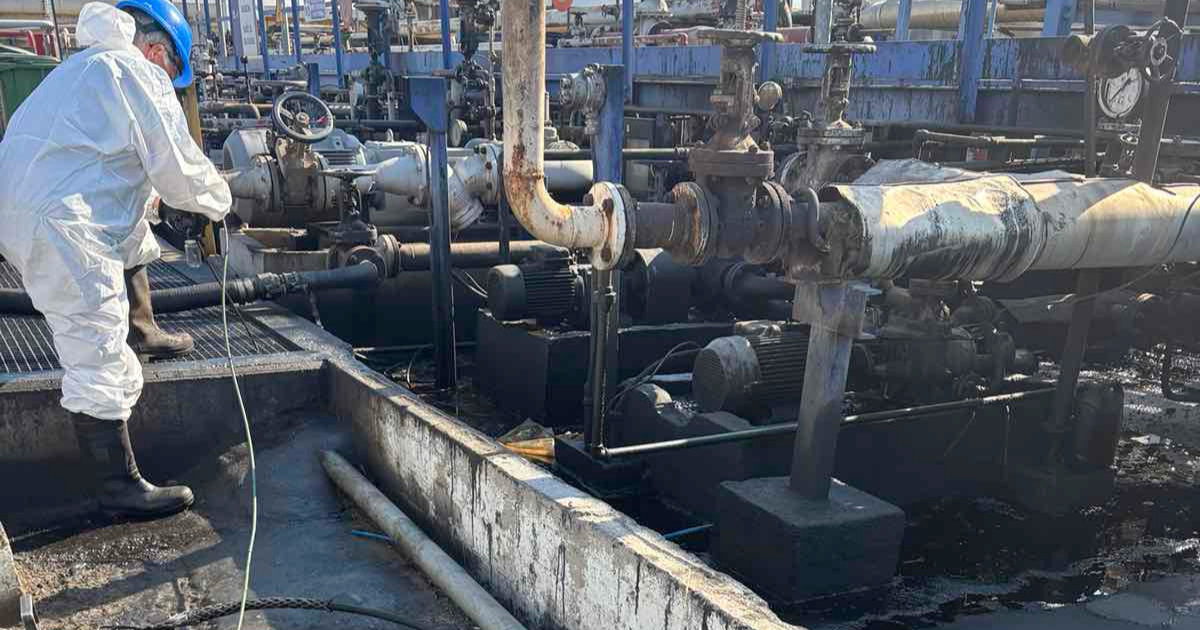
In a factory, there’s rarely just one type of contaminant. The same space can contain oils and lubricants on equipment, hardened deposits in tanks and piping, corrosion on metal...
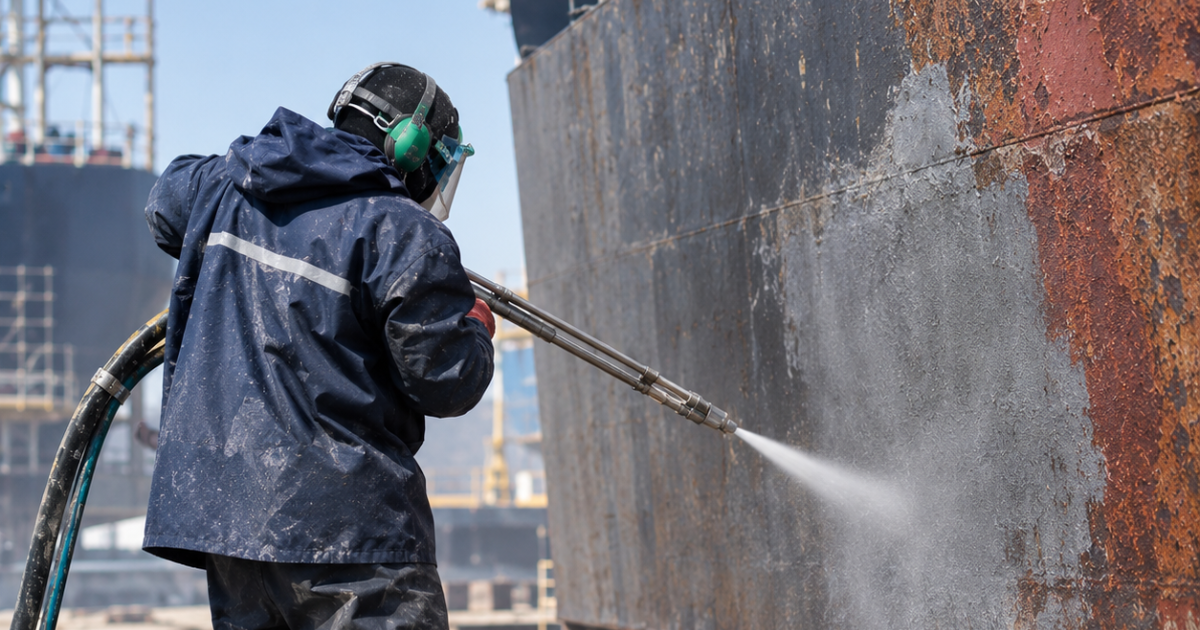
In industrial cleaning, choosing the right method isn’t always obvious. Hydro blasting is the most widespread technique, but there are cases where using an abrasive medium combined with water...
In a shipyard, the time a ship spends in dry dock translates directly into cost. In an industrial facility with sensitive equipment, even the slightest moisture or cleaning residue...
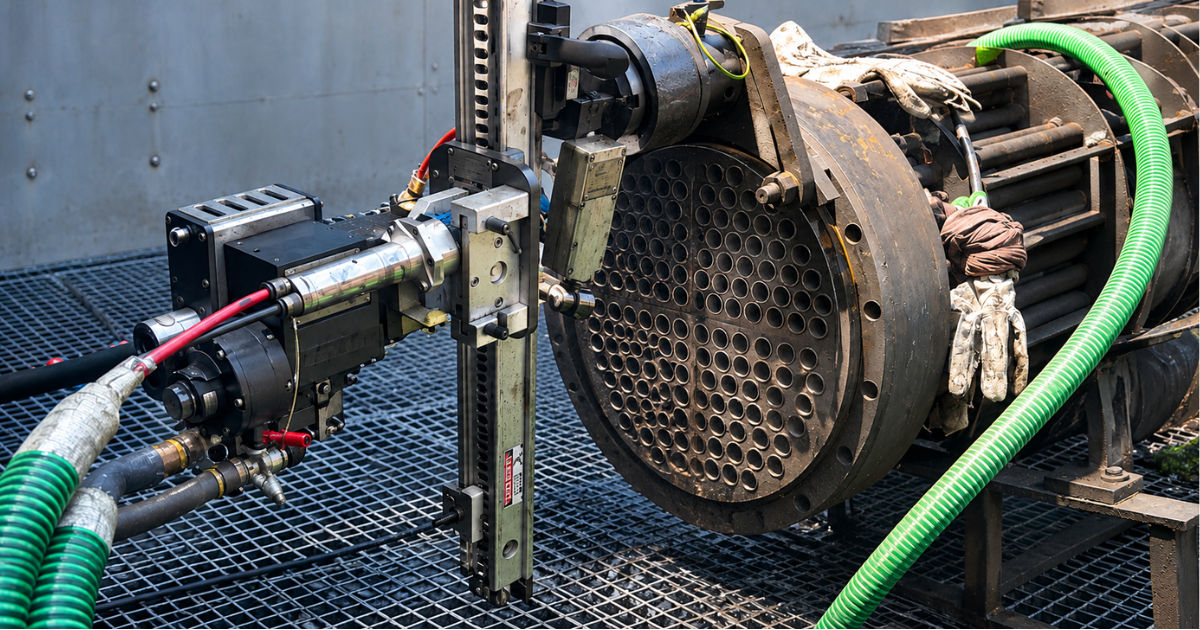
Cleaning a tube-bundle heat exchanger isn’t always just a matter of pressure. It’s a matter of precision: every tube must be fully cleaned, with none skipped, and without damaging...
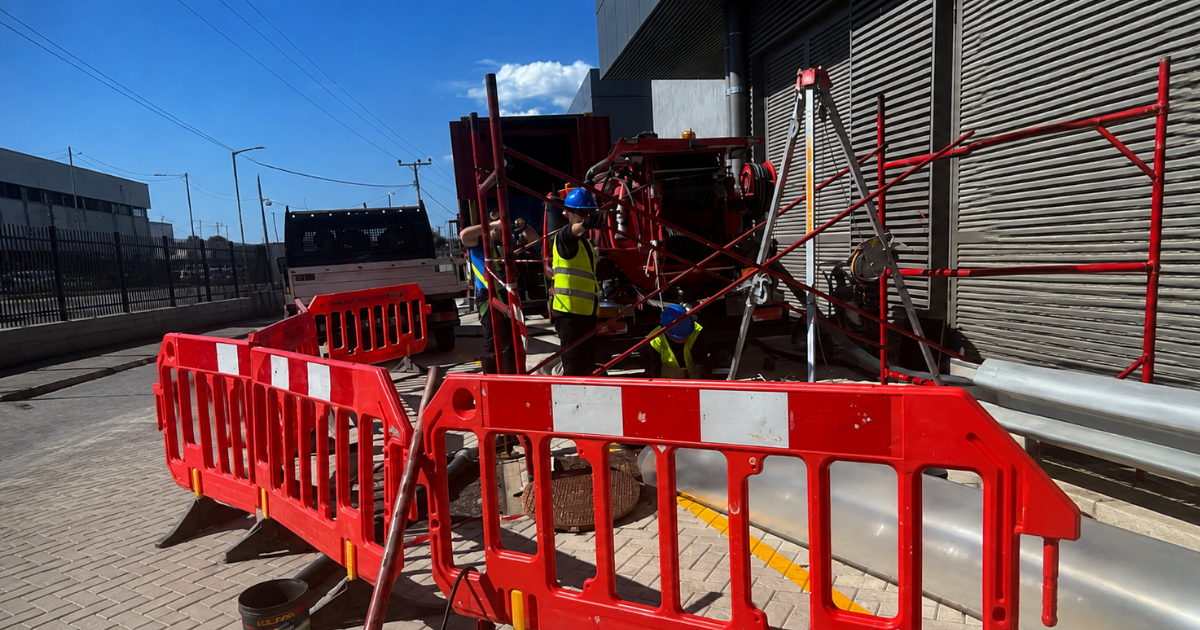
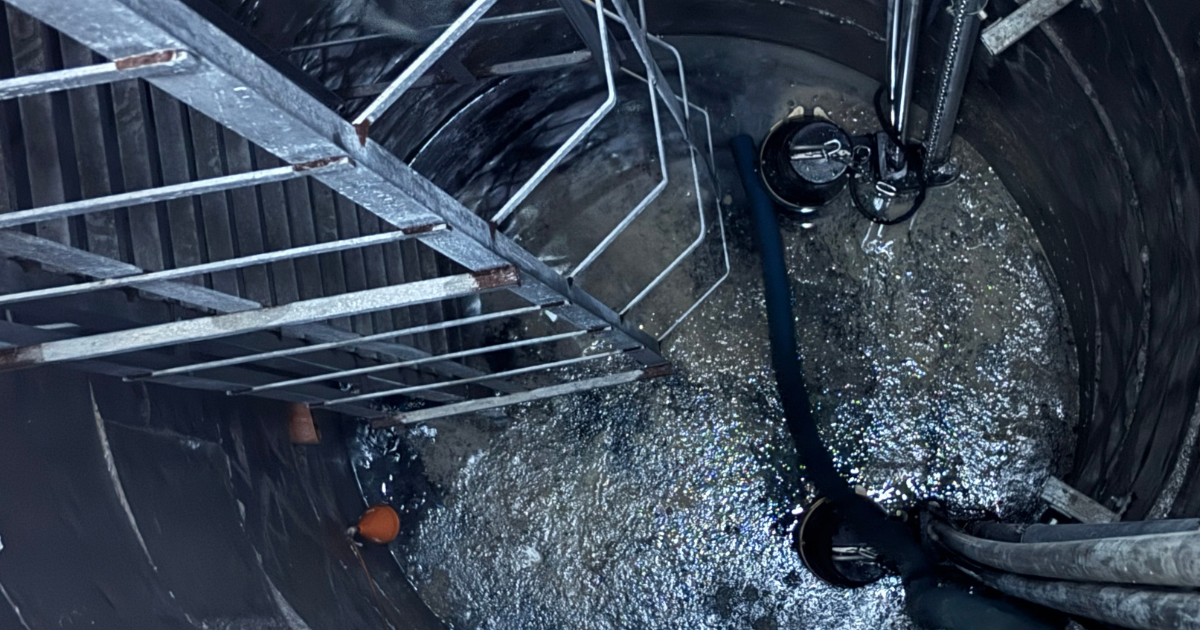
A manhole or an underground pipeline is nothing like an open tank or an elevated work surface. The confined space, reduced visibility, and limited access create an entirely different...
In industrial facilities, planned operational shutdowns — known as shutdowns or turnarounds — are critical maintenance periods. The time pressure is significant: every hour of downtime has a cost....
Fuel tanks are critical infrastructure in refineries, shipyards and industrial facilities. Over time, they accumulate sediment, scale and residues that affect both the quality of the stored fuel and...
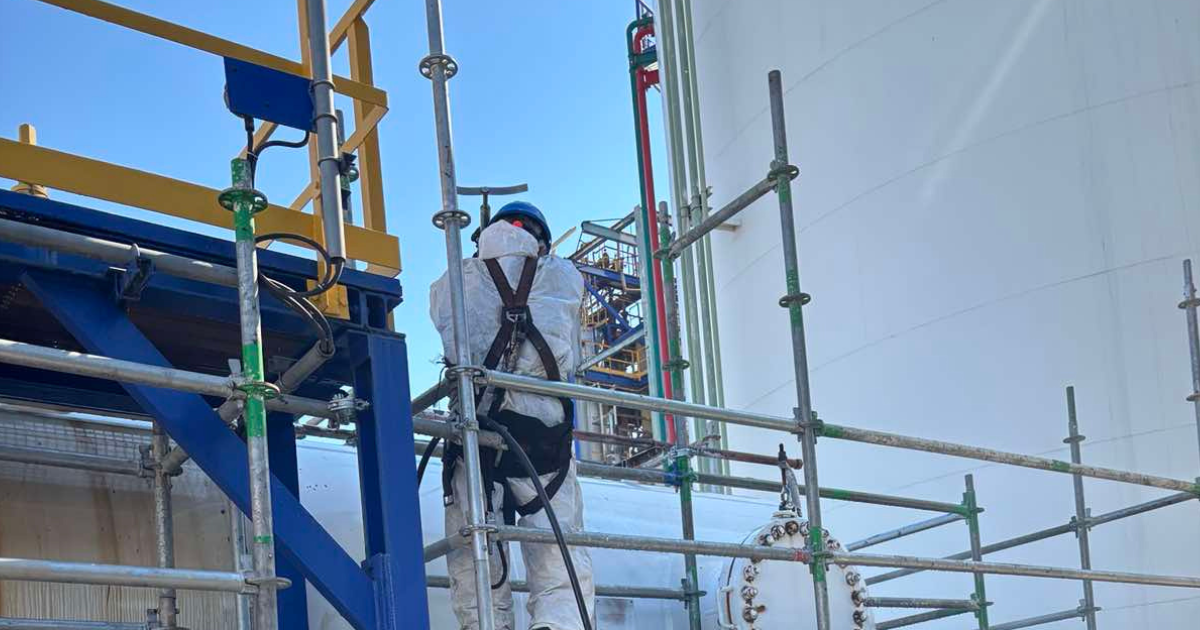
Large industrial tanks require more than just internal cleaning. Their external surfaces, valves, and connection points are often located several meters above ground, making every maintenance operation as much...
A coating may appear flawless at the time of application, only to begin peeling or corroding a few months later. In most cases, the cause is not the coating...
In many industrial facilities, tanks, vessels, and pipelines accumulate solid and liquid residues, sediments, and other by-products of production processes over time. Their removal requires methods that combine efficiency...
Χρησιμοποιούμε cookies, για να σας προσφέρουμε προσωποποιημένη εμπειρία περιήγησης. Κάνε «κλικ» στο κουμπί «Αποδοχή» για να επιτρέψετε την λειτουργία τους.
This website uses cookies to improve your experience while you navigate through the website. Out of these, the cookies that are categorized as necessary are stored on your browser as they are essential for the working of basic functionalities of the website. We also use third-party cookies that help us analyze and understand how you use this website. These cookies will be stored in your browser only with your consent. You also have the option to opt-out of these cookies. But opting out of some of these cookies may affect your browsing experience.