
In a shipyard, the time a ship spends in dry dock translates directly into cost. In an industrial facility with sensitive equipment, even the slightest moisture or cleaning residue can cause damage that costs far more than the cleaning job itself. In both cases, the choice of cleaning method is not merely a technical matter — it’s a matter of time, cost, and equipment protection.
What dry ice blasting is
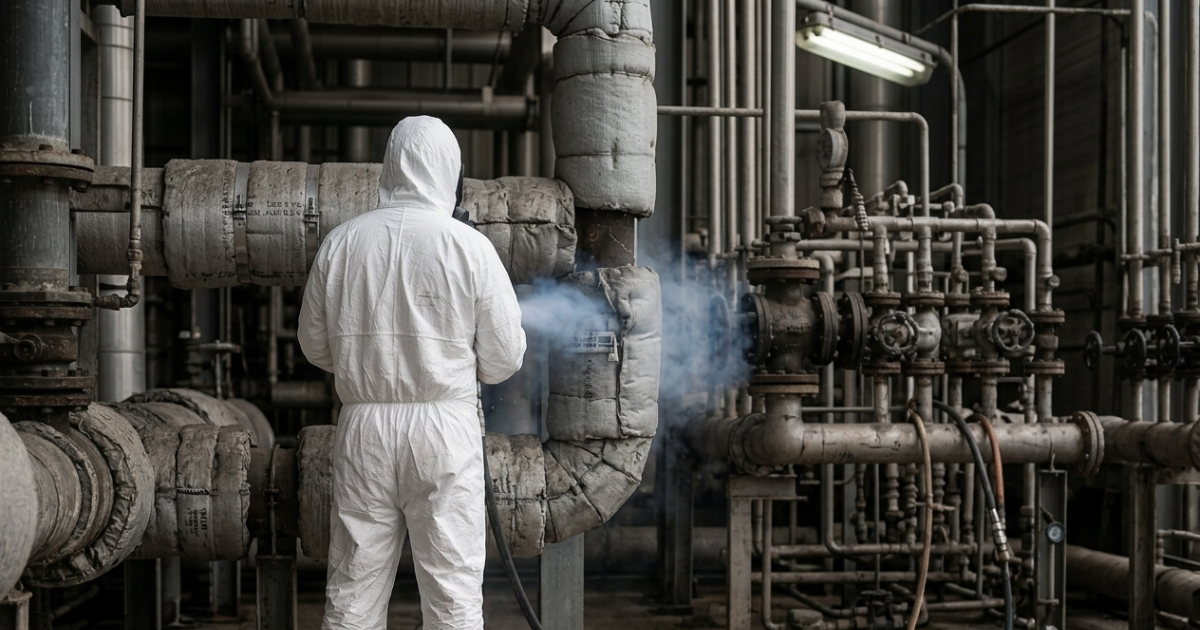
Dry ice blasting uses pellets of dry ice (solid CO₂), which are propelled by compressed air onto the surface to be cleaned. On impact, the dry ice sublimates instantly — passing directly from a solid to a gaseous state — dislodging contaminants, rust, lubricants, or paint residue without leaving secondary waste on the surface.
Why it suits shipyard work
In shipyards, dry ice blasting is frequently used to clean metal surfaces, machinery, and components before repairs or maintenance, because:
It introduces no moisture into the structure, reducing the risk of subsequent corrosion
It requires no drying time before the next stage of work, such as painting
It is a non-conductive, non-corrosive method, suitable for a vessel’s electrical and electronic components
Why it suits industrial constructions
In factories and industrial units, dry ice blasting is the preferred choice when cleaning must be carried out without interruption around sensitive equipment:
Cleaning of electrical panels and motors without risk of short-circuiting
Cleaning of production lines without disassembling components
Removal of residues from metal structures without altering the surface, as the method is non-corrosive
Less downtime
Because it leaves no secondary waste and requires no drying, dry ice blasting allows work to resume immediately after cleaning. In environments where every hour of downtime or dry-docking carries significant cost, this translates into real time savings.
STEPE’s experience in dry ice blasting
STEPE applies dry ice blasting in shipyard and industrial operations, offering a cleaning method that uses no water, chemicals, or secondary waste. With experience in maritime facilities and industrial units, the company adapts the method to the needs of each project, combining effectiveness, safety, and equipment protection.